HEALTH & FITNESS :: CHRONIC LOWER BACK PAIN (LBP)
Asking why I choose to talk about chronic lower back pain (LBP) instead of heart disease or cancer, etc.? Well that's because I'm suffering from chronic LBP!! I HATE CHRONIC LBP!! It hurts when I sit, when I sit, when I lay down flat on my back or even lay down on my stomach. It hurts when I sleep, hurts when I try to rest and sometimes it hurts when I'm walking!! so there's nothing much I can do to get rid of this pain!! I HATE CHRONIC LBP!!!! For you who doesn't really know what chronic LBP is all about, do read more about it and for those who are also suffering from chronic LBP, my sympathy for you & I hope what I'm writing will help you as some of the remedies that I'm writing about really does help me to feel a bit better.
WHAT IS CHRONIC LOWER BACK PAIN ??
Source: http://www.back.com/symptoms-pain.html
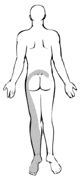
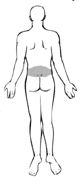
Chronic back pain is commonly described as deep, aching, dull or burning pain in one area of the back or traveling down the legs (This is what I'm suffering from. Aching from the back travelling down the legs!. Just like the image shown beside). Patients may experience numbness (yup! I feel numb on my right leg), tingling, burning, or a pins-and-needles type sensation in the legs. Regular daily activities may prove difficult or impossible for the chronic back pain patient (You are right!! a simple ectivity like sitting is also impossible!!). They may find it difficult or unbearable to work, for example, even when the job does not require manual labor. Chronic back pain tends to last a long time (YUP!), and is not relieved by standard types of medical management (I tried a lot of medicine and none of it works!). It may result from a previous injury long since healed, or it may have an ongoing cause, such as nerve damage or arthritis. |
|
TREATMENT OPTIONS & REMEDIES TO RELIEF THE PAIN
HOME REMEDIES
These are several things that you can do at home to help soothe the back.
BED REST ISN'T THE BEST : Going about your normal, everyday activities—but perhaps at a slower pace, and definitely avoiding what may have caused your pain in the first place—is a good way to start the healing process. A little "couch time" won't hurt, but light activity speeds recovery, so avoiding lying down for long periods of time.
HOT AND COLD : Heat and cold, in the form of a hot bath or hot and cold compresses, can help relieve sore and inflamed muscles and tissue. Remember—cold comes first! Wrap an ice pack (or a bag of frozen vegetables) in a thin cloth to avoid frostbite, and apply to the affected area for up to 20 minutes several times a day. Ice slows inflammation and swelling, numbs tissue and slows nerve impulses to the injured area. Once the acute pain and muscle spasms subside (about 48 hours after the first onset of pain is recommended), you can apply heat—to loosen muscle tightness - by taking a warm bath or using a heating pad, heat pack or heat lamp. (I tried both and I think using ice helps me better)
TAKE A PILL : Non-steroidal anti-inflammatory drugs, such as aspirin, ibuprofen, acetaminophen or naproxen sodium, can ease pain, swelling and stiffness. There are a number of over-the-counter and prescription options. Your pharmacist can help you determine which is best for you. (Pill doesn't really work for me. Tried several and none of it work)
SUPPORT YOURSELF : If you must sit or stand for long periods of time, consider using a brace or corset. Worn properly, they can relieve pain and provide warmth, comfort and support. But, don't rely on this type of external support too long—allowing it to perform your muscles' job will eventually weaken them, making re-injury easier.
EXERCISE
- Regular, low impact cardiovascular exercises that don't jar your back and are easy on the joints, such as bicycling, walking or swimming. If exercising outdoors is not option, consider using a treadmill, elliptical trainer or stationary bicycle. These can be found at almost any exercise studio, or you can buy a home version at your local sporting goods store.
- Core strengthening exercises. By conditioning your abdominal and back muscles, you can develop a "natural corset" to support your spine.
- Gentle stretching to improve and maintain flexibility.
PROPER BODY MECHANICS
When Standing
- Place feet shoulder width apart, don't lock your knees;
- Avoid arching your lower back or slumping your upper back and shoulders;
- Keep your breastbone up, shoulder blades down;
- Keep your chin level, relax jaw and neck muscles.
When Sitting
- Rest your feet on floor with knees and hips bent 90 degrees;
- Maintain a neutral arch in your lower back;
- Keep your breastbone up, shoulder blades down;
- Keep your chin level, relax jaw and neck muscles.
When Driving
- Adjust your seat so that the back is vertical. Your back should be supported by the seat back and your head should rest against headrest with your chin level;
- Knees should be bent, and at least at the same height as your hips;
- Elbows should be slightly bent and relaxed, with your shoulders down.
When Sleeping
- Use a firm mattress. Placing a board between the mattress and box spring can provide a temporary fix for one that is sagging.
- Lie on your back or side. When lying on the side, a pillow between the knees helps maintain a neutral spine.
- Use a cervical roll (a foam roll approximately 3 inches in diameter and 18 inches long) to support the natural curves in your neck or low back.
